How to Choose the Right Rockwell Automation Drives for Your Needs?
Choosing the right Rockwell Automation Drives is essential for optimizing your operations. With various options available, it's vital to understand your specific needs. Each drive offers different features and capabilities.
Consider efficiency, application requirements, and integration with current systems. These factors play a significant role in the decision-making process. Be mindful that not all drives will suit your application perfectly. Take the time to evaluate how each option aligns with your goals.
Engaging with experts can provide clarity. Seek advice, but remember, what works for others may not work for you. Every choice carries risks. The right drive can enhance your performance, while the wrong one may lead to inefficiencies. Ultimately, assess your unique situation carefully before proceeding.
Understanding the Basics of Rockwell Automation Drives
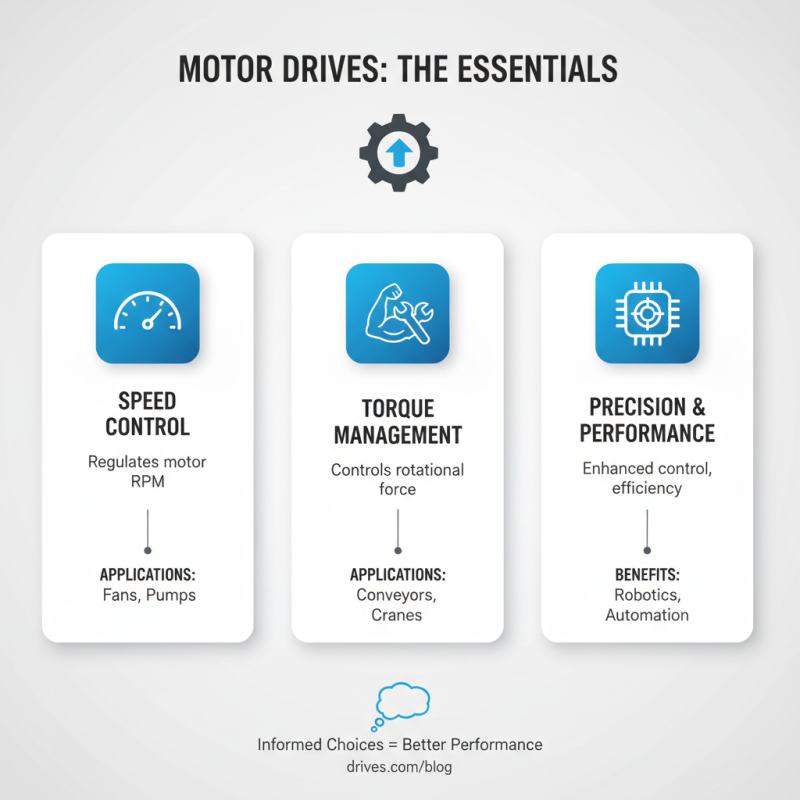
When selecting the right drives, understanding their basic functions is crucial. Drives manage the speed and torque of motors. They allow for precise control, enhancing performance in various applications. Familiarity with drive terminology can help in making informed choices.
Different types of drives exist. For instance, variable frequency drives (VFDs) are popular in industrial settings. They adjust motor speed based on demand. However, balancing cost and functionality can be tricky. Some users may find themselves overwhelmed by options. A clear understanding of the operational needs will reduce confusion.
Another point to consider is integration. Drives should work seamlessly with existing systems. Compatibility issues can lead to operational challenges. Assessing the current setup before making a choice is essential. It’s easy to overlook this, leading to future complications. Take time to evaluate all aspects to ensure a fitting selection.
Identifying Your Application Requirements for Drives
Choosing the right drives for automation projects is crucial. Start by identifying your application requirements. Consider the type of load you need to manage. A variable load may require different handling than a constant load. Data from industry reports indicate that over 70% of applications involve variable torque requirements. This suggests a need for flexibility in your drive selection.
Evaluate the speed and torque characteristics of your application. For example, high-speed applications often use drives that can handle rapid accelerations and decelerations. Look at reports that show drives with better control can reduce energy consumption by up to 30%. This reduction in energy is significant for both operational costs and environmental impact.
Discuss various communication protocols. If your system needs to connect with different machines, compatibility is key. Some experts recommend prioritizing drives with robust networking capabilities. While these advancements are beneficial, they may lead to complexities in setup. Be wary of overengineering solutions, which can result in difficulties during maintenance phases. Choose a drive that aligns with your specific needs rather than opting for the most advanced features.
Comparing Different Types of Rockwell Automation Drives
When selecting the right drives for automation needs, it’s crucial to compare various types. Different drives offer unique features and benefits. Understanding these differences can lead to better decisions. For instance, high-performance drives excel in demanding applications. They provide quick response times and precise control. However, they may come at a higher cost.
Consider the energy efficiency of the drives. Some models focus on reducing energy consumption. This can lead to cost savings over time. Yet, they might sacrifice speed or torque in certain conditions. Look closely at the specifications to ensure you meet your operational demands.
Tips: Always assess your specific application requirements. Performance is just one aspect. Reliability and maintenance needs should also be evaluated. Be aware that what works for one project may not suit another. Flexibility in choice allows for adjustments down the line. Think carefully about scalability for future projects.
How to Choose the Right Rockwell Automation Drives for Your Needs? - Comparing Different Types of Rockwell Automation Drives
| Drive Type |
Power Range (kW) |
Applications |
Key Features |
Communication Protocols |
| AC Drives |
0.75 - 250 |
Pumps, Fans, Conveyors |
Energy Saving, Speed Control |
EtherNet/IP, DeviceNet |
| DC Drives |
0.5 - 200 |
Elevators, Hoists |
Precision Control, Fast Response |
RS-232, RS-485 |
| Servo Drives |
0.5 - 100 |
Robotics, CNC Machines |
High Torque, Position Control |
EtherCAT, Sercos |
| Multi-axis Drives |
1 - 75 |
Packaging, Material Handling |
Synchronization, Scalability |
EtherNet/IP, Profinet |
Evaluating Performance Specifications and Features
Choosing the right drives requires careful consideration of performance specifications. Each application has unique demands, and not all drives can meet them. First, assess the load characteristics. Is it constant or variable? The type of load impacts the drive's required torque and speed capabilities.
Next, evaluate the control features. Some drives offer advanced control algorithms. Others might only provide basic functionality. Advanced features like sensorless control can enhance performance in certain applications. However, they usually come at a higher cost. Think about whether your application truly demands these capabilities.
Finally, consider the integration ease. Some systems are designed for quick installation. Others might require extensive configuration or training. A complex setup could lead you to regret your choice later. Make sure to analyze your team's technical skills and training needs. Don't overlook the importance of serviceability. The drive must be maintainable over its lifecycle. Factors like accessibility and support options can significantly affect your long-term satisfaction.
Making Cost-Effective Decisions for Drive Selection
Choosing the right drives for your application can be overwhelming. It's essential to consider the specific needs of your processes. Cost is often a primary concern. Finding a balance between quality and affordability is crucial. An expensive drive might not always be the best fit. Look for features that match your operational requirements. Simplicity can sometimes lead to better performance.
Assessing the environment where the drives will function is vital. For instance, dusty or humid conditions demand more robust solutions. Sometimes, businesses overlook how these factors can affect longevity. Initial cost savings may lead to higher maintenance fees later on. It's wise to conduct a thorough analysis. Ensure the selected drive can handle the expected load and speed. This helps avoid potential issues down the line.
Though it may take time, gathering feedback from your team can prove valuable. Employees’ insights can highlight practical needs that numbers alone may miss. Relying only on technical specifications may lead to subpar choices. Consider trial and error in your selection process. It's a journey of learning what truly enhances productivity without overspending.
Cost-Effective Drive Selection Analysis


 Baijia Hao