Top Tips for Choosing the Best Bedding Fabric Suppliers?
Choosing the right bedding fabric suppliers can greatly impact your business and customer satisfaction. The right suppliers ensure high-quality fabrics, vital for product longevity and comfort. However, finding trustworthy options is challenging.
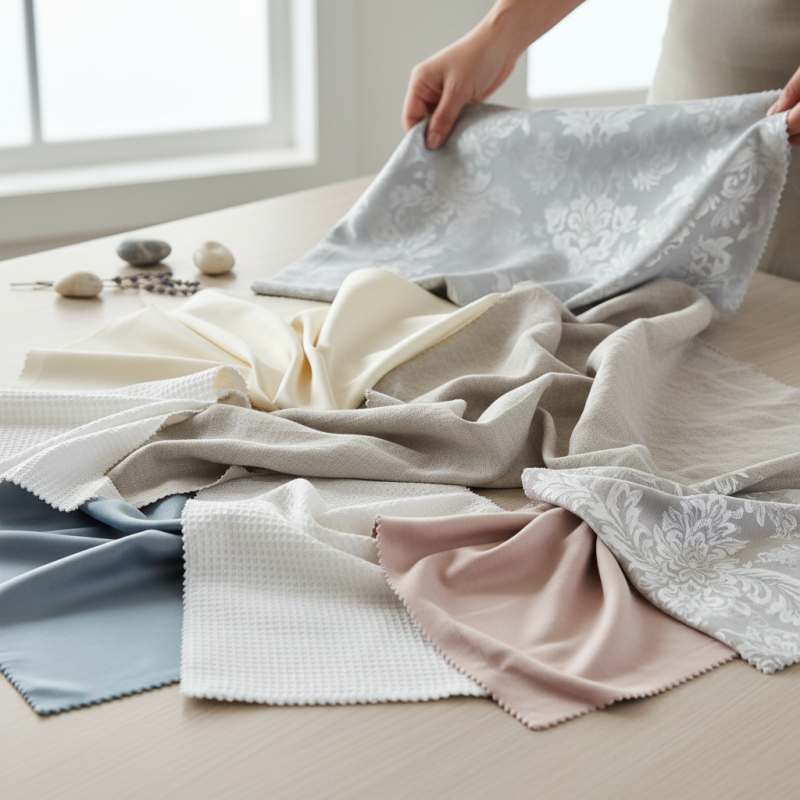
Quality should be your top priority. Look for suppliers who offer a variety of fabrics. This includes cotton, linen, and blends that cater to different needs. Reliable suppliers provide swatches, allowing you to assess texture and durability firsthand.
Cost is essential, but it shouldn't compromise quality. Evaluate the pricing models of various bedding fabric suppliers. Always remember that the cheapest option may not provide the best value. Sometimes, it’s worth investing in better materials for a superior product. Think about the long-term benefits.
Understanding Different Bedding Fabric Types and Their Properties
Bedding fabrics come in various types, each offering unique qualities. Cotton is a popular choice due to its breathability and softness. According to the Cotton Incorporated Lifestyle Monitor, 75% of consumers prefer cotton sheets. This fabric is hypoallergenic, making it ideal for those with sensitive skin. Yet, it can wrinkle easily and may require frequent washing to maintain its appearance.
Linen offers a different experience. Its natural fibers provide excellent moisture-wicking properties. The European Linen Association reports that linen can absorb up to 20% of its weight in moisture without feeling damp. However, linen can be coarse against the skin and may not appeal to everyone. Its durability makes it a favorite choice for those seeking longevity, despite the higher upfront cost.
Polyester blends are another option. They are often more affordable and resistant to wrinkles. Yet, their synthetic nature may not appeal to eco-conscious consumers. Some studies indicate that polyester bedding can retain heat more than natural fabrics. This may lead to discomfort for those who sleep hot. Balancing these factors is crucial when selecting the best bedding material.
Assessing Supplier Reliability: Key Indicators and Industry Standards
When selecting bedding fabric suppliers, assessing reliability is crucial. Look for suppliers with a proven track record. Reviews and testimonials can offer insights. Reliable suppliers often showcase certifications that meet industry standards. This includes safety and sustainability credentials.
Gauge their communication effectiveness. A responsive supplier is usually a sign of good reliability. Ask detailed questions about their products. Their responses should reflect knowledge and transparency. Check their delivery timelines too. If they struggle to meet deadlines, it’s a red flag.
Don’t underestimate the importance of samples. Requesting fabric samples allows for direct evaluation. Feel the texture and assess the quality. Sometimes, suppliers may rush to fulfill orders, compromising quality. This inconsistency can lead to dissatisfaction. Be vigilant in your assessment to ensure a fruitful partnership.
Top Tips for Choosing the Best Bedding Fabric Suppliers
This bar chart illustrates key indicators for assessing supplier reliability in the bedding fabric industry. Data points include Quality, Pricing, Delivery Time, Customer Service, and Compliance with Standards, reflecting the critical aspects to consider when selecting a supplier.
Evaluating Cost-Effectiveness: Balancing Quality and Price
When choosing bedding fabric suppliers, cost-effectiveness plays a crucial role. It's vital to find a balance between quality and price. High-quality fabrics feel great against the skin. They also enhance overall durability. However, premium options often come at a steep price. It’s important to assess if the added cost justifies the benefits.
Many suppliers offer a range of materials. Some may look affordable upfront but could lead to higher long-term costs. For example, cheap fabrics may wear out faster. This leads to regular replacements, eventually increasing expenses. Investigate fabric types and their life expectancy. Understand how different blends impact both feel and longevity. Not every budget option meets industry standards. Be cautious of offers that seem too good to be true.
Consider obtaining samples before committing. This helps evaluate texture and quality. Some suppliers provide limited-time promotions. Use these wisely to save costs while trying new fabrics. Don’t hesitate to negotiate prices. Transparency helps in understanding a supplier's pricing structure. Ultimately, finding the right balance may require some experimentation.
Sustainability in Bedding Fabrics: Eco-Friendly Certifications to Consider
When selecting bedding fabrics, eco-friendly certifications play a crucial role. Fabrics with certifications like OEKO-TEX or GOTS show a commitment to sustainability. These labels indicate that the materials are free from harmful chemicals. Consumers are becoming more aware of the impact their purchases have on the environment.
Look for suppliers who emphasize transparency in their sourcing practices. Ask questions about the materials and the production process. It's essential to know where the fabric comes from and how it’s made. Many suppliers may claim to be eco-friendly without proper certifications, making it vital to do due diligence. This can be challenging, as not all information is readily available.
Reflecting upon personal choices can lead to better decisions. Consider the life cycle of your bedding. How long will it last? Is it biodegradable? These questions may not have straightforward answers, yet they matter. Choosing sustainable bedding is not just a trend; it is a responsibility. It involves understanding the fabric's origins and its environmental impact.
Researching Supplier Reputation: Analyzing Reviews and Case Studies
When researching bedding fabric suppliers, analyzing reviews is crucial. Digging into customer feedback reveals a lot. Look for patterns in opinions, both positive and negative. One bad review might be an isolated incident. But if several reviews highlight the same issue, it’s a red flag.
Case studies can also provide insight. They offer real-world examples of supplier performance. For instance, a supplier known for high-quality cotton launched new products. Some reviews praised the quality. However, others mentioned inconsistencies in color and finish. Such details can impact your decisions significantly.
Trust is key in supplier relationships. While positive reviews create confidence, it’s vital to be skeptical of overly flattering ones. They may lack authenticity. A balanced view provides a clearer picture. Engage in conversations with previous customers, if possible. Their experiences could expose both strengths and weaknesses of the supplier.


 Baijia Hao