Why is Water Pump Casing Important for Efficient Performance?
water pump casing plays a crucial role in the overall efficiency of a water pump system. It serves as the protective outer shell, housing vital components and maintaining structural integrity. A sturdy water pump casing ensures effective operation by minimizing leaks and reducing vibrations.
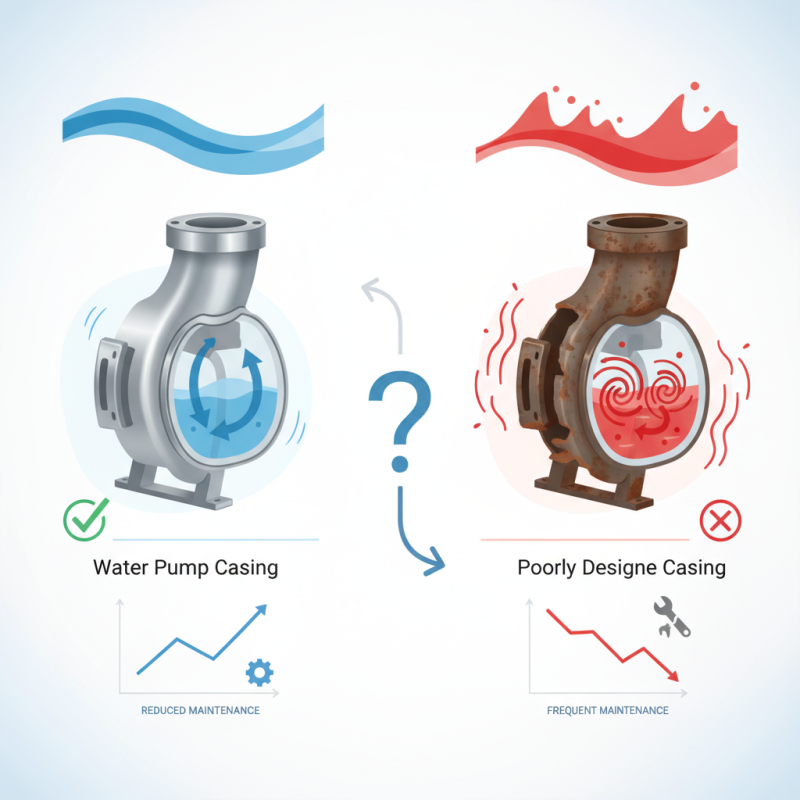
The design of the casing influences the pump's performance. A well-designed casing enhances water flow and reduces turbulence. However, poor design can lead to inefficiencies and operational issues. Many overlook the importance of the casing, focusing instead on the impeller and motor. This can result in significant performance losses.
Investing in quality water pump casing can prevent common problems. It can extend the lifespan of the pump system and reduce maintenance costs. Yet, not all casings are created equal. Reflecting on the choices made in casing selection can lead to better outcomes in performance. Understanding these factors is key to optimizing efficiency.
Importance of Water Pump Casing in Hydraulic Systems
Water pump casing plays a crucial role in hydraulic systems. It serves as the structural heart of the pump. A well-designed casing ensures optimal fluid flow and minimizes energy loss. According to the Hydraulic Institute, improper casing design can lead to a 10-25% decrease in efficiency. Proper casing helps in maintaining pressure and allows for smooth operation.
Tips: Regularly inspect the casing for cracks or wear. Small defects can result in large performance issues.
The material of the water pump casing is also significant. Cast iron is common due to its durability. However, some systems benefit from composite materials for weight reduction. The right choice impacts longevity. A report from the American Society of Mechanical Engineers suggests that using advanced materials can increase pump life by 15%. Yet, some operations overlook these details, leading to early failures.
Tips: Consider environmental conditions when choosing casing material. It’s essential to balance cost and performance for long-term success.
Key Functions of Water Pump Casing in Performance Optimization
The water pump casing is crucial for optimizing performance. It plays several key roles that directly affect efficiency. For instance, it protects internal components from damage. Proper casing helps maintain the correct alignment of the pump’s rotor and prevents vibrations. According to a study by the Hydraulic Institute, a well-designed casing can improve hydraulic efficiency by up to 15%.
Moreover, the shape and material of the casing impact the flow of water. For example, a smooth, rounded casing reduces turbulence. This, in turn, decreases energy losses. Research indicates that even minor design flaws can lead to a 5-8% drop in efficiency. This highlights the need for precise manufacturing standards.
However, many manufacturers overlook the importance of these details. They may prioritize cost over quality, resulting in suboptimal products. In some cases, pumps function but at reduced performance levels. Regular assessments of casing integrity can avoid these pitfalls. It allows for adjustments that enhance overall functionality. Thus, investing in high-quality water pump casings can prove beneficial in the long run.
Materials and Design Considerations for Effective Pump Casings
Water pump casings play a crucial role in overall performance and efficiency. The right materials can significantly affect the durability and functionality of the pump. According to industry reports, casings made from stainless steel or high-grade polymers offer enhanced resistance to corrosion. This resistance ensures a longer lifespan and reduces maintenance costs.
Design considerations are equally important. An efficient casing design minimizes turbulence and maximizes fluid flow. Studies show that optimal geometric shapes can improve hydraulic performance by up to 25%. Manufacturers often grapple with balancing strength and weight. Heavy materials can lead to structural issues, while lighter options may compromise durability.
It’s not just about the materials and design; the manufacturing process matters too. Precision in machining and assembly can greatly influence the casing's effectiveness. Quirks in production can lead to tolerances that affect efficiency. The industry averages a 10% failure rate due to manufacturing inconsistencies, highlighting the need for meticulous quality control.
Impact of Casing Integrity on Pump Efficiency and Longevity
Water pump casing plays a critical role in pump efficiency and longevity. A well-designed casing efficiently houses the pump components. It protects against wear and tear. Integrity issues can lead to significant performance losses. For instance, a study by the American Pump Manufacturers Association highlighted that casing failures can reduce efficiency by over 15%. This drop in performance can also increase energy costs.
Casing integrity directly affects pump lifespan. A compromised casing may cause leaks or vibrations. These factors can shorten the pump's operational life. The Hydraulic Institute indicates that nearly 30% of pump failures stem from inadequate casing support. Investing in quality materials for the casing can mitigate these risks and enhance overall performance.
Proper maintenance is key. Regular inspections can identify early signs of wear. Ignoring these signs often results in unexpected downtimes. According to a recent report by the International Water Association, up to 50% of pump inefficiencies go unnoticed due to lack of monitoring. Without proactive measures, the cost implications for businesses can be steep.
Why is Water Pump Casing Important for Efficient Performance?
| Dimension | Importance | Impact on Pump Efficiency | Longevity |
| Casing Material | Durability against wear and corrosion | Higher performance and reduced downtime | Increases service life of the pump |
| Seal Integrity | Prevents leakage and maintains pressure | Optimized flow rates and efficiency | Minimizes the need for repairs |
| Casing Design | Affects fluid dynamics within the pump | Enhances overall pump performance | Promotes stable operation over time |
| Cooling Efficiency | Prevents overheating of pump components | Maintains optimal efficiency | Extends life by reducing thermal stress |
Common Issues and Maintenance Practices for Pump Casings
Water pump casing plays a vital role in the overall performance of a pump. It acts as a protective shield, ensuring fluid stays contained within the system. However, pump casings can suffer from several common issues. Corrosion is a frequent problem, especially in harsh environments. This can lead to leaks, reducing efficiency over time. Cracks may also develop due to temperature fluctuations or physical stress. Regular inspections can help identify these issues early.
Maintenance practices are crucial for extending the life of pump casings. Regular cleaning can prevent debris buildup. This buildup can obstruct fluid flow, causing additional strain on the pump. Applying protective coatings can minimize corrosion risks. Checking for and replacing worn-out gaskets is another key practice. A small oversight, like a missed crack, can lead to major failures. Keeping detailed maintenance records can assist in identifying recurring issues and patterns. Effective management of pump casing health is essential for optimal performance.
Importance of Water Pump Casing for Efficient Performance
The chart above illustrates the importance of various aspects of water pump casings for maintaining efficient performance. Key factors such as corrosion resistance, heat dissipation, pressure management, and maintenance ease are evaluated on a scale of 0 to 100, showing their critical roles in ensuring optimal performance of water pumps.


 Baijia Hao